Faculty

Assistant Professor of Women, Gender, and Sexuality and Psychology


Paul T. Jones Jefferson Scholars Foundation Professor of Neuroscience
434-924-1117

















Professor Academic General Faculty | Director, Mary Ainsworth Training Clinic
924-0645




Professor of Psychology, General Faculty | Director of Undergraduate Studies






Professor of Psychology and Women, Gender & Sexuality
924-0664


Professor of Psychology, General Faculty| Director of +1MA Advising
924-0694

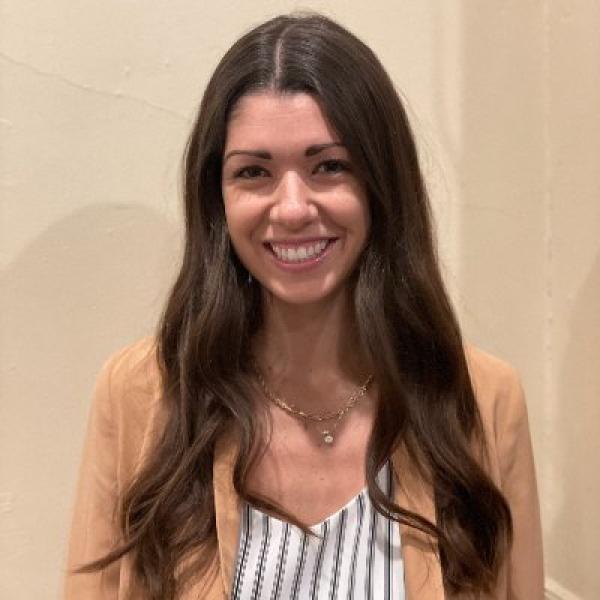

Professor of Psychology | Director of Clinical Training
924-0676





Pamela Feinour Edmonds and Franklin S. Edmonds, Jr. Discovery Associate Professor in Psychology